Director Carl Erik Rinsch of the 47 Ronin film was found guilty of defrauding Netflix to the tune of $11 million, stemming from a deal with the streaming giant to produce a sci-fi series that he ultimately failed to deliver. After a week-long trial in Manhattan, the jury returned a verdict of "one count of wire fraud, carrying a maximum sentence of 20 years in prison; one count of money laundering, also with a 20-year maximum; and five counts of engaging in monetary transactions derived from specified unlawful activity, each with a 10-year maximum sentence," as stated by the United States Attorney for the Southern District of New York on Thursday. Rinsch's sentencing is scheduled for April 17, 2026.
Rinsch had siphoned funds earmarked for the White Horse series into risky securities trades, using profits from those investments to sue Netflix for further payments to complete the show and indulge in luxury goods. In a federal court in Manhattan, a jury found him guilty of wire fraud, money laundering, and multiple counts related to engaging in illegal monetary transactions.
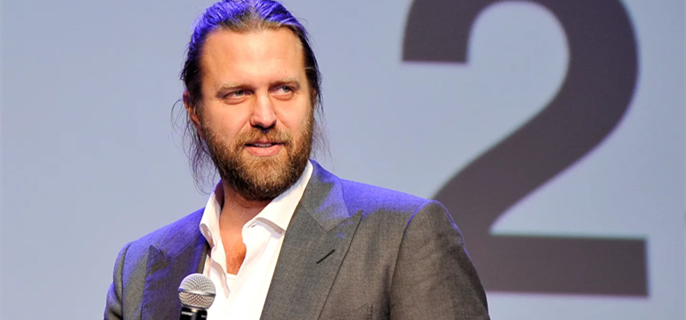
Rinsch is expected to face a lengthy prison term, with a maximum potential sentence of 90 years. The story of his downfall began around 2017 when he started filming White Horse, a series following a scientist who invents a human-like species that turns against its creators. He completed six shortform episodes using his own money and investments from various production companies, which he then used to pitch studios for funds to finish the first season. In 2020, Netflix sent Rinsch an additional $11 million at his request to complete the series, which was supposed to be used for various pre- and post-production projects, including paying crew and editing footage that had already been shot.
Instead, Rinsch transferred the money to his personal brokerage account, where he lost more than half of it on seven-figure options trades in less than two months before spending the remainder on cryptocurrency. Rinsch then proceeded to turn a profit and embarked on a $10 million spending spree, including $3.8 million on furniture and antiques, nearly $1 million on two mattresses and linens, $2.4 million on five Rolls-Royces and a Ferrari, and $650,000 on watches, among other things.
The trial featured testimonies from former Netflix executives, including Cindy Holland, now head of streaming at Paramount, and Peter Friedlander, now Amazon MGM Studios' head of global TV. Both made the call to acquire White Horse, and the jury was even played a trailer for the series, which Friedlander had once called "visionary."
During the trial, Rinsch's lawyers argued that he was free to use the $11 million Netflix wired him as he pleased because it was his payment for finishing part of the series. They attempted to portray the case as a civil contract dispute rather than a criminal matter. In 2020, Netflix wrote off White Horse as a loss.
"Carl Erik Rinsch took $11 million meant for a TV show and gambled it on speculative stock options and crypto transactions," stated U.S. Attorney Jay Clayton. "Today's conviction shows that when someone steals from investors, we will follow the money and hold them accountable."

