Laura Dern has no hesitation in calling out the glaring lies about today's beauty standards, big and small. During a discussion about her experience in Hollywood over the years, the 58-year-old actress detailed how the industry's perception of beauty has evolved—and not necessarily for the better.
"Lately, I've never witnessed a greater shame surrounding aging among women as public figures," Laura told The Independent in an interview published on January 31. "It's significantly worse now than it was for my mother's generation."
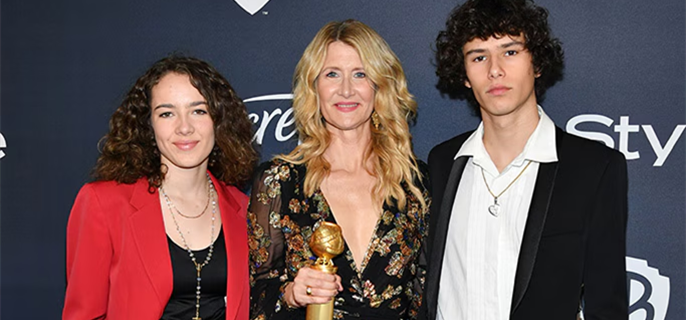
The Jurassic Park star—who is the daughter of actors Bruce Dern and the late Diane Ladd—recalled specific conversations her mother had during her childhood that have stayed with her.
"I remember, when I was a child," Laura shared, "hearing her friends talk about the pressure to get a facelift at 70 if you wanted to keep working." Nowadays, the mother of two—she shares daughter Jaya, 21, and son Ellery, 24, with ex-husband Ben Harper—noted that this pressure is felt by women decades earlier.
"Now I'm hearing my 21-year-old daughter's friends say, 'You should get Botox now so that you're never wrinkled,'" she said. "It's tragic! So the idea that we're advancing in empowerment is bullshit."
The Big Little Lies actress continued, "These are societal norms that have been created, most of the time, from people's fears and insecurities. It's all about consumerism, right? It's like the tobacco industry saying smoking looks cool. Look at the Marlboro Man! They're just making money. They're saying we'll have a whole generation of girls buying our products if we say it's 'preventative.' But we're supposed to be the ones who don't buy into it, right?"
While Laura acknowledged that she can't necessarily change the way beauty is advertised to women, she vowed to do her part in keeping the narrative honest.
"I look forward to watching all of us grow together into comfort in our own skin," she said. "And, as artists, for us to grow into portraying those truths, whether that's the insecurity about it, or the rage about it, or—hopefully—the acceptance, too."
---

